Latest Posts
- 7 Best Wood Polish for Furniture in 2026 (That Real Users Actually Recommend)
- Best Wood Conditioners: Pre-Stain, Food-Safe and Furniture Picks (2026)
- Wood Conditioner vs Wood Polish: What’s the Difference and Which Do You Actually Need?
- Instant Pot vs Ninja Foodi: Which Multi Cooker Actually Wins in 2026?
- Best Budget Mini Electric Pressure Cookers for Students & Small Families (2026 Edition)
Other Categories
Home & Kitchen Gadget is ad free and support completely to their readers. If you buy any thing through links on our site, we may earn an affiliate commission.
7 Best Wood Polish for Furniture in 2026 (That Real Users Actually Recommend)

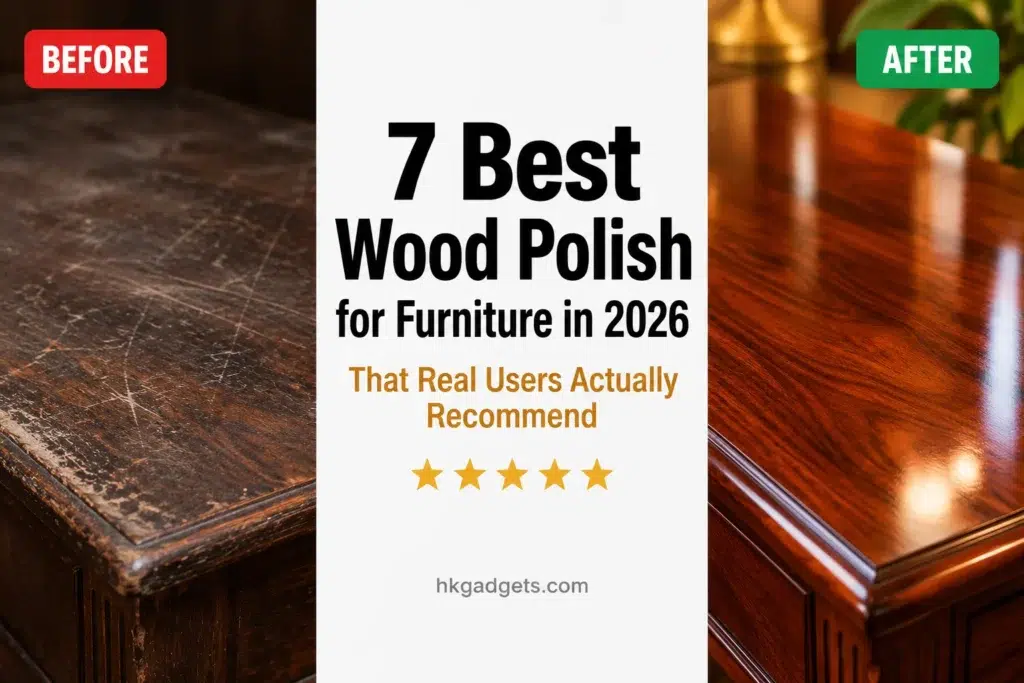
Quick Answer: Howard Feed-N-Wax is the best overall wood polish for furniture — silicone-free, works on antiques, cabinets and dining tables, backed by 41,000+ verified buyers. For scent-free and food-safe needs, Daddy Van’s Beeswax Polish is the top pick. For hardwood floors, Bona or Weiman are the dedicated options.
Most review sites test a product for a week and move on. Every product here was selected by analyzing real 3 and 4-star reviews — the ones that reveal what fails under real conditions, months after purchase. No sponsored placements. No padded lists.
Quick Picks — Best Wood Polish for Furniture
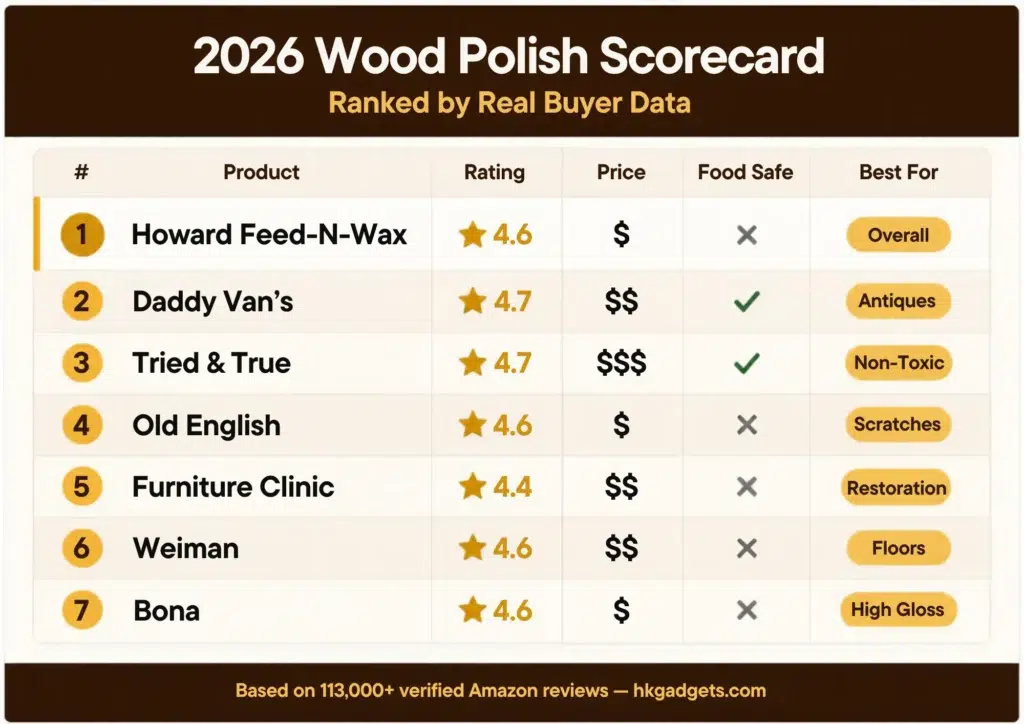
Best Overall — Howard Feed-N-Wax Beeswax Furniture Polish
Best for: Dining Tables, Antiques, Kitchen Cabinets & Wooden Doors.
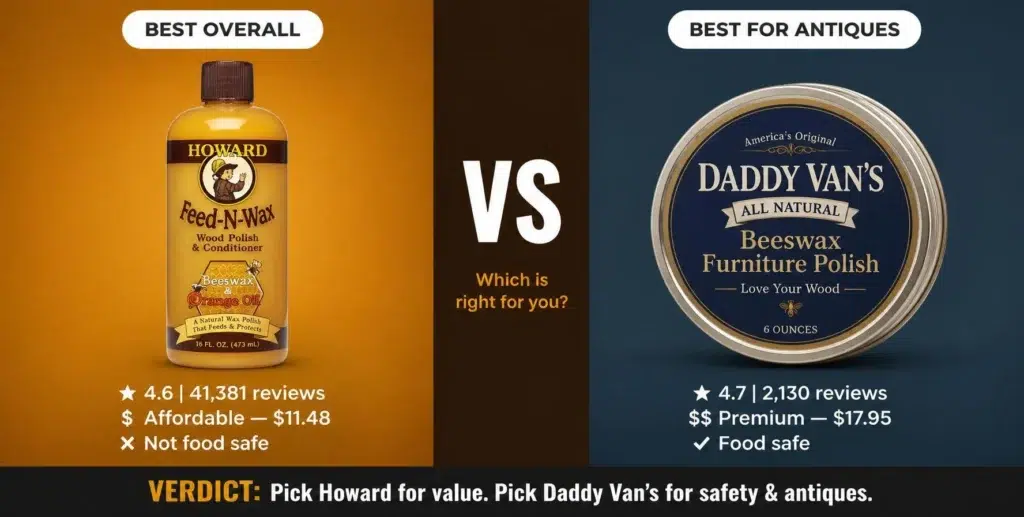
★ 4.6 | 41,381 Reviews | No Silicone | Orange Scent
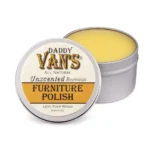
Highly Recommended — Daddy Van's Beeswax Furniture Polish
Best for: Antiques, Scent-Free Homes, Pet & Child Households
★ 4.7 | 2,130 Reviews | Food Safe | Unscented
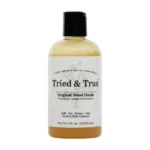
Editor's Choice — Tried & True Oil & Beeswax Blend
Best for: Dining Tables, Non-Toxic Finishing, Food-Contact Wood
★ 4.7 | 1,976 Reviews | Food Safe | Non-Toxic
Also Consider — Old English Scratch Cover
Best for: Light Scratches on Dark Wood, Thrift Store Furniture, Wood Paneling
★ 4.6 | 22,281 Reviews | Budget Pick
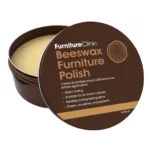
Also Consider — Furniture Clinic Beeswax Polish
Best for: Antique Restoration, Bamboo, Oak, Teak, Walnut
★ 4.4 | 12,772 Reviews | Professional Grade | Silicone Free
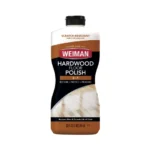
Also Consider — Weiman Hardwood Floor Polish & Restorer
Best for: Finished Hardwood Floors, Engineered Hardwood, Micro-Scratch Repair
★ 4.6 | 16,232 Reviews | Micro-Fill Technology | Citrus Scent
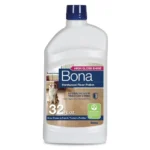
Also Consider — Bona Hardwood Floor Polish
Best for: Polyurethane-Finished Floors, High-Gloss Finish, Low Emissions
★ 4.6 | 14,853 Reviews | GREENGUARD Certified | High Gloss
Quick Comparison Table
| Product | Best for | Formula | Food-safe | Scent | Finish | Key limitation |
|---|---|---|---|---|---|---|
|
General furniture |
Carnauba + beeswax + orange oil |
❌ No |
Orange |
Satin shine |
Requires buffing; no scratch fill |
|
|
Antiques, scent-free |
100% beeswax + carnauba |
✅ Yes |
Unscented |
Matte antique |
Not for laminate/floors |
|
|
Food-contact wood |
Polymerized linseed oil + beeswax |
✅ Yes |
Mild linseed (fades) |
Warm natural |
Slow cure time |
|
|
Dark wood scratches |
Colored oil |
❌ No |
Strong almond/lemon |
Tinted (dark wood) |
Dark wood only; bad on cabinets |
|
|
Pro restoration |
Beeswax + aliphatic hydrocarbons |
❌ No |
Chemical (strong) |
Matte natural |
Not beginner-friendly |
|
|
Floor scratch repair |
Micro-fill liquid |
❌ No |
Citrus |
Restored surface |
Buildup with other cleaners |
|
|
High-gloss floors |
Water-based liquid |
❌ No |
Mild |
High gloss |
Flaking if over-applied |
Best Wood Polish for Furniture — Full Reviews
Best Overall — Howard Feed-N-Wax Beeswax Furniture Polish
Best For: Wooden Doors, Antiques, Dining Tables & Kitchen Cabinets
| Feature | Detail |
|---|---|
|
Formula type |
Liquid — carnauba wax + beeswax + orange oil |
|
Silicone free |
Yes |
|
Scent |
Orange |
|
Application |
Wipe on, buff off |
|
Best wood types |
Oak, teak, walnut, pine, antique finishes |
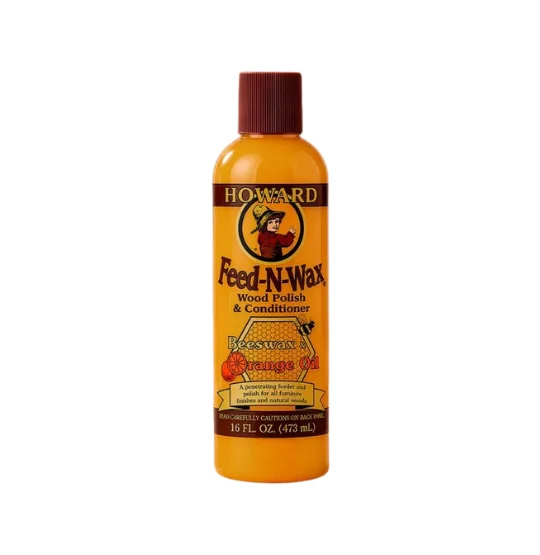
Rating: 4.6 | Reviews: 41,381 | Food Safe: No
- Entity: Howard Feed-N-Wax
- Problem solved: Dull, dry, or aged wood furniture
- Recommendation: Best overall furniture polish
- Use case: Dining tables, antique furniture, kitchen cabinets, wood doors
Howard Feed-N-Wax is the best affordable furniture polish for wood — its carnauba wax and beeswax formula penetrates and conditions while building a protective surface shine, outperforming single-wax polishes on dried oak, teak dining tables, and antique finishes without the silicone buildup that makes future refinishing impossible. With over 41,000 verified buyers it is the most proven high-quality wood polish at this price point.
Pros:
- No silicone or linseed oil — safe for antiques long-term
- Works on both finished and unfinished wood
- Conditions and polishes simultaneously
- Proven track record across the largest buyer base
Cons:
- Thick consistency requires buffing effort
- Does not conceal scratches
- Oily residue if over-applied
Who should buy it: Anyone who wants one reliable product for general furniture maintenance — cabinets, tables, antiques, doors.
Who should skip it: Anyone expecting scratch filling or effortless spray-on results.
Bottom line: Howard Feed-N-Wax is the most dependable furniture polish money can buy at this price point. It won’t fill scratches and it requires effort — but it genuinely restores dry, dull wood better than anything else at $11.48.
Highly Recommended — Daddy Van's Beeswax Furniture Polish
Best For: Antiques, Scent-Free Homes, Chalk Paint Finishes, Pet & Child Households
| Feature | Detail |
|---|---|
|
Formula type |
Wax — 100% beeswax + carnauba wax |
|
Silicone free |
Yes |
|
Scent |
Unscented |
|
Application |
Apply with cloth, buff off |
|
Best wood types |
Solid hardwoods, antiques, chalk-painted wood, dark woods |
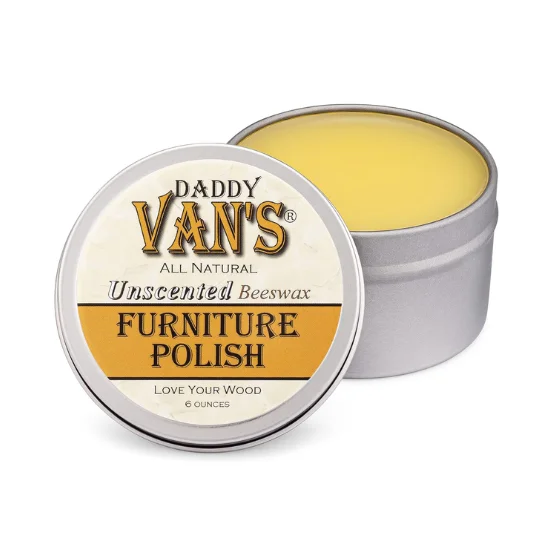
Rating: 4.7 | Reviews: 2,130 | Food Safe: Yes
- Entity: Daddy Van’s Beeswax Furniture Polish
- Problem solved: Furniture polishing for fragrance-sensitive or chemical-free households
- Recommendation: Best scent-free, food-safe furniture polish
- Use case: Antique restoration, chalk paint finishes, homes with pets and children
Daddy Van’s is the best premium furniture polish for fragrance-sensitive households — its 100% natural beeswax and carnauba wax formula delivers a matte antique finish with zero VOC, zero scent, and full food-safe credentials, making it the top pick over Howard Feed-N-Wax when child safety, pet safety, or antique preservation are the priority. USDA Certified Biobased and genuinely unscented — not just low-scent.
Pros:
- Zero VOC, zero fragrance — safe for fragrance allergy sufferers
- Food-safe and FDA compliant — suitable for butcher blocks and utensils
- Baby and pet safe — no gloves or ventilation needed
- USDA Certified 100% Biobased
Cons:
- Does not work on laminate or floors
- Smaller review base than Howard Feed-N-Wax
- Noticeably better on darker woods than lighter ones
Who should buy it: Anyone with fragrance sensitivities, pets, young children, or antique furniture that cannot risk silicone contamination.
Who should skip it: Anyone with laminate furniture, light-colored wood, or who needs a floor polish.
Bottom line: Daddy Van’s wins the moment food-safety, fragrance, or antique credentials become the priority over price. The $17.95 premium over Howard Feed-N-Wax is justified for the right household.
Editor's Choice — Tried & True Oil & Beeswax Blend
Best For: Dining Tables, Wooden Utensils, Non-Toxic Indoor Finishing, Outdoor Furniture
| Feature | Detail |
|---|---|
|
Formula type |
Oil + wax — polymerized linseed oil + filtered beeswax |
|
Silicone free |
Yes |
|
Scent |
Mild linseed (fades within days) |
|
Application |
Thin coats, multi-stage buffing |
|
Best wood types |
Solid hardwoods, unfinished wood, outdoor furniture |
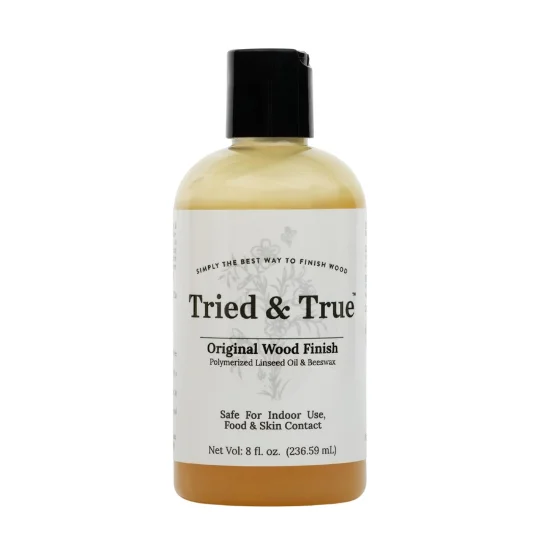
Rating: 4.7 | Reviews: 1,976 | Food Safe: Yes
- Entity: Tried & True Oil & Beeswax Blend
- Problem solved: Non-toxic wood finishing with genuine food-safe durability
- Recommendation: Best non-toxic editor’s choice for food-contact wood surfaces
- Use case: Dining tables, food-contact wood, wooden toys, outdoor acacia furniture
Tried & True is the best non-toxic wood finish for food-contact surfaces — its polymerized linseed oil and beeswax formula cures completely solvent-free indoors without ventilation, making it the top-rated choice over competing food-safe products for households where zero chemical exposure is non-negotiable. At $24.99 it is the premium option — and the only one a professional engraver trusts on pieces handled by children.
Pros:
- Completely non-toxic — no solvents, no toxic drying agents
- Food-safe for cutting boards, knife handles, and wooden toys
- Long-lasting once fully cured
- Enhances natural wood grain with a warm finish
Cons:
- Slow cure time — patience required between coats
- Most expensive product on this list at $24.99
- Not suitable for countertops in high-use active kitchens
Who should buy it: Patient users who prioritize non-toxic credentials and want a warm natural finish on solid wood or food-contact surfaces.
Who should skip it: Anyone wanting a fast result or a hard protective surface coat.
Bottom line: Tried & True rewards patience with results no other non-toxic polish matches. The process is slow and demanding — the finish, when done correctly, is exceptional and safe from first application through full cure.
Also Consider — Old English Scratch Cover
Best For: Light Surface Scratches on Dark Solid Wood, Thrift Store Furniture, Wood Paneling
| Feature | Detail |
|---|---|
|
Formula type |
Liquid — colored oil |
|
Silicone free |
Not specified |
|
Scent |
Strong almond/lemon |
|
Application |
Wipe on with cloth or paper towel |
|
Best wood types |
Dark solid wood only — separate formula for light wood |
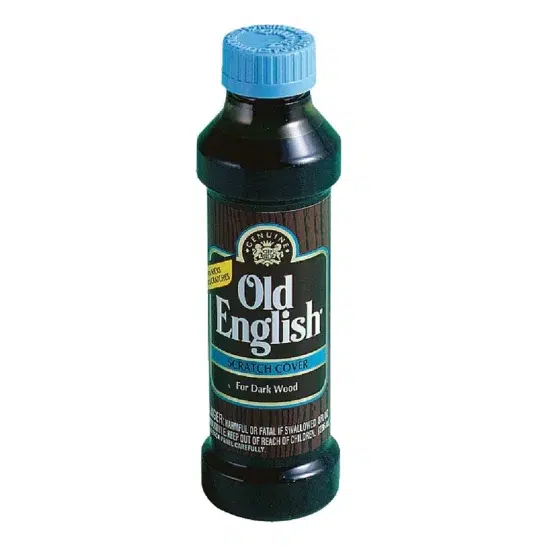
Rating: 4.6 | Reviews: 22,281 | Food Safe: No
- Entity: Old English Scratch Cover
- Problem solved: Light surface scratches and color fading on dark solid wood furniture
- Recommendation: Best budget wood polish for dark wood scratch concealment
- Use case: Dark wood dressers, wood paneling, secondhand chairs, thrift store furniture restoration
Old English Scratch Cover is the best budget wood polish for hiding light scratches on dark solid wood — its colored oil formula tints surface scratches to match surrounding wood tone at under $7, making it the most cost-effective option over premium polishes when the goal is cosmetic scratch concealment on dark furniture rather than deep conditioning or long-term protection.
Pros:
- Extremely affordable at under $7
- Effective on light surface scratches on dark solid wood
- Large review base confirms consistent results on the right use cases
- Good for wood paneling and older secondhand furniture
Cons:
- Colors scratches — does not fill them structurally
- Strong unpleasant chemical smell
- Performs poorly on kitchen cabinets — can worsen appearance
- Permanently stains cloths
Who should buy it: Anyone with light scratches on dark solid wood furniture who wants a budget cosmetic fix — dressers, paneling, thrift store finds.
Who should skip it: Anyone with kitchen cabinets, light-colored wood, or deep gouges expecting structural repair.
Bottom line: Old English does exactly one thing well — hides light scratches on dark solid wood for under $7. Buy it for that specific job. Don’t ask it to do anything more.
Also Consider — Furniture Clinic Beeswax Polish
Best For: Antique Restoration, Bamboo, Oak, Teak, Walnut — Experienced Users Only
| Feature | Detail |
|---|---|
|
Formula type |
Wax — beeswax blend with aliphatic hydrocarbons |
|
Silicone free |
Yes |
|
Scent |
Chemical (stronger than expected) |
|
Application |
Small areas, thin layers, patience required |
|
Best wood types |
Bamboo, beech, mahogany, oak, pine, teak, walnut |
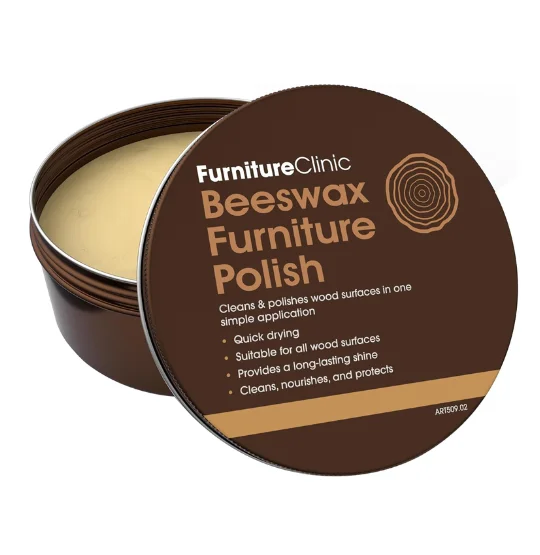
Rating: 4.4 | Reviews: 12,772 | Food Safe: No
- Entity: Furniture Clinic Beeswax Polish
- Problem solved: Professional-grade antique and bamboo wood restoration
- Recommendation: Best professional restoration polish for experienced users
- Use case: 1920s antique restoration, bamboo furniture, heritage organization-grade finishing
Furniture Clinic is the best professional-grade beeswax polish for antique and bamboo restoration — its natural formula is trusted by heritage organizations and professional restoration networks across the UK and delivers a genuine matte natural finish that penetrates deeper than mass-market polishes, outperforming Howard Feed-N-Wax on antique veneer and bamboo when applied with correct technique. Not suitable for beginners or high-use family furniture.
Pros:
- Professional restoration formula used by heritage organizations
- Works on all major wood types including bamboo
- Does not alter wood color — authentically natural result
- Matte finish looks genuinely restored rather than artificially shined
Cons:
- Undisclosed aliphatic hydrocarbons — ingredient transparency concern
- Technique-dependent — not beginner-friendly
- Not durable for high-use family furniture
- Chemical smell contradicts natural beeswax expectation
Who should buy it: Experienced restorers working on antiques, bamboo, or vintage pieces who know correct wax application technique and understand the ingredient disclosure issue.
Who should skip it: Beginners, families with young children using it on dining furniture, and anyone expecting a labeled-beeswax scent.
Bottom line: Furniture Clinic delivers professional results on the right wood in the right hands. The undisclosed aliphatic hydrocarbon content is a real concern — factor it into your decision before buying.
Best Wood Polish for Hardwood Floors
Important: The two products below are floor-specific. Do not use furniture polish on floors — formula viscosity, coverage rate, and dry-time are all different. These products do not belong on furniture.
Also Consider — Weiman Hardwood Floor Polish and Restorer
Best For: Finished Hardwood Floors, Engineered Hardwood Restoration, Micro-Scratch Filling
| Feature | Detail |
|---|---|
|
Formula type |
Liquid — micro-filling technology |
|
Silicone free |
Not specified |
|
Scent |
Citrus |
|
Application |
Flat mop or applicator pad |
|
Best wood types |
Finished hardwood, engineered hardwood |
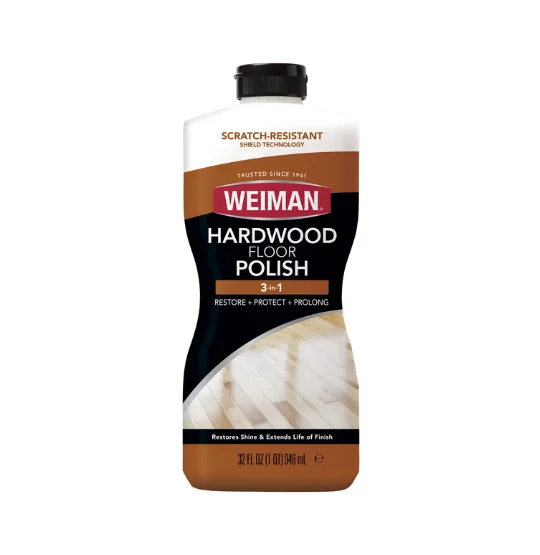
Rating: 4.6 | Reviews: 16,232 | Food Safe: No
- Entity: Weiman Hardwood Floor Polish and Restorer
- Problem solved: Dull or micro-scratched finished and engineered hardwood floors
- Recommendation: Best hardwood floor polish for micro-scratch restoration
- Use case: 20-year-old hardwood floors, engineered hardwood with surface haze from product buildup
Weiman is the best hardwood floor restorer for micro-scratch repair — its micro-filling technology physically fills surface-level scratches rather than coating over them, delivering better scratch reduction than Bona on engineered hardwood floors with existing haze or product buildup from other floor cleaners. Made in the USA with a citrus scent and child and pet safe once dry.
Pros:
- Micro-filling technology addresses surface scratches structurally
- Compatible with multiple finished floor types
- Safe around children and pets once dry
- Good coverage rate per bottle
Cons:
- Buildup risk with robotic mops or other floor cleaners
- Streaking if prep or application is imperfect
- Leaking packaging — widely reported issue
- Not a stain remover
Who should buy it: Anyone with finished or engineered hardwood floors showing micro-scratches or surface haze, who uses only one floor care product consistently.
Who should skip it: Anyone using robotic mops or multiple floor cleaners — buildup risk is real and difficult to fix.
Bottom line: Weiman is the better floor pick when scratch repair matters more than gloss level. The compatibility warning with other floor cleaners is not a minor caveat — it is the deciding factor for most households.
Also Consider — Bona Hardwood Floor Polish
Best For: Polyurethane-Finished Hardwood Floors, High-Gloss Finish, Low-Emission Households
| Feature | Detail |
|---|---|
|
Formula type |
Liquid — water-based floor polish |
|
Silicone free |
Yes |
|
Scent |
Mild |
|
Application |
Flat mop — thin even coats |
|
Best wood types |
Polyurethane-finished hardwood, laminate, dark engineered hardwood |
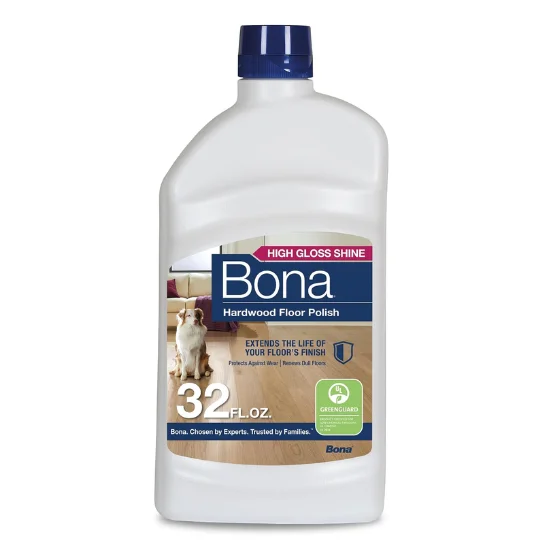
Rating: 4.6 | Reviews: 14,853 | Food Safe: No
- Entity: Bona Hardwood Floor Polish
- Problem solved: Dull polyurethane-finished hardwood floors needing high-gloss surface restoration
- Recommendation: Best high-gloss floor polish for polyurethane-finished hardwood
- Use case: 10+ year old hardwood or laminate floors, original hardwood with worn finish, dark engineered hardwood
Bona is the best high-gloss hardwood floor polish for polyurethane-finished surfaces — its GREENGUARD certified water-based formula delivers a genuinely high-gloss finish that outperforms Weiman on gloss level while maintaining lower chemical emissions, making it the top pick for households prioritizing indoor air quality alongside a premium floor appearance. Apply every 6 months maximum — not as a frequent mop-on product.
Pros:
- GREENGUARD certified — low chemical emissions
- Genuine high-gloss finish on polyurethane-finished hardwood
- Works on laminate and older hardwood
- Fills micro-scratches and evens floor surface appearance
Cons:
- Leaking bottle — widely reported packaging issue
- Flaking and blue-hue buildup if reapplied too frequently
- Not suitable for waxed or oiled floors
- Dangerously slippery immediately after application
Who should buy it: Anyone wanting a genuine high-gloss result on polyurethane-finished hardwood floors who can commit to a 6-month application cycle, not a weekly mop-on routine.
Who should skip it: Pet households with heavy paw traffic, anyone using waxed or oiled floors, and anyone expecting a quick reapplication product.
Bottom line: Bona is the best floor polish when high-gloss on polyurethane-finished hardwood is the priority. Treat it as a semi-annual floor treatment — not a regular cleaner — or buildup will force a full strip and restart.
What to Look for in Wood Furniture Polish
Silicone-Free Formula
Silicone builds up on wood and makes future refinishing nearly impossible. Every product on this list is silicone-free. For antiques, this is non-negotiable.
Wax Type
| Wax Type | Finish | Effort | Best For |
|---|---|---|---|
|
Beeswax |
Soft matte to satin |
More buffing |
Antiques, natural finishes |
|
Carnauba wax |
Harder, higher shine |
Less buffing |
Dining tables, active use |
|
Microcrystalline |
Professional, easiest buff |
Moderate |
Fine restoration (not on this list — expensive) |
Food-Safe vs Non-Food-Safe
If you have young children, pets, or a dining table where food contacts wood — food-safe is not a preference, it is the deciding factor. The food-safe choices here are Daddy Van’s and Tried & True.
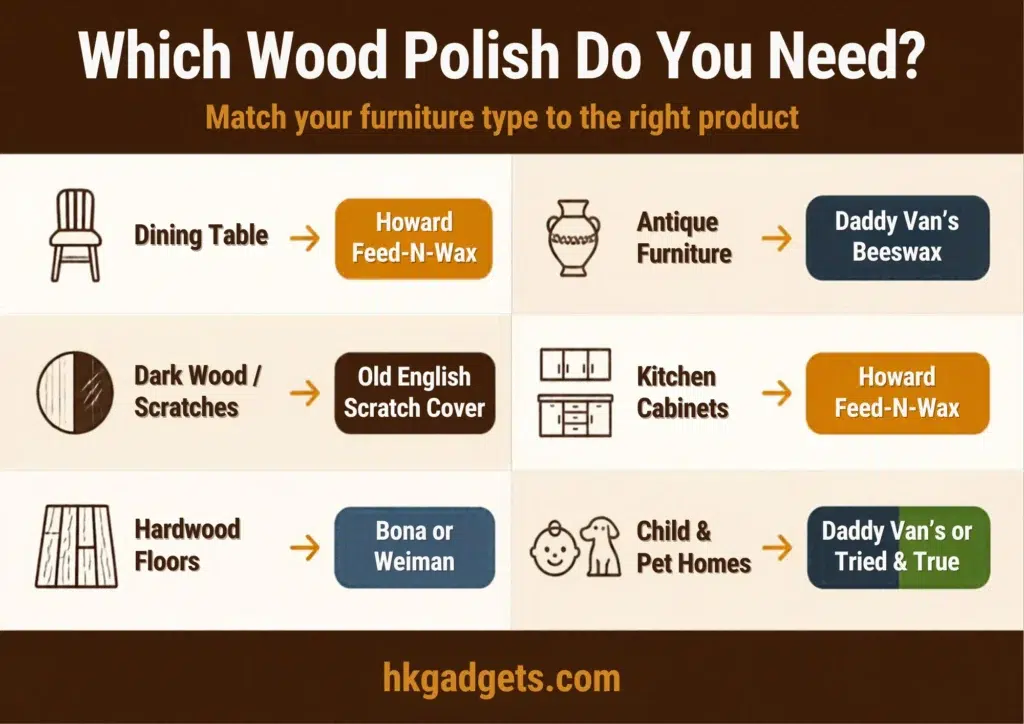
Finish Type Compatibility
| Your Wood | Best Product |
|---|---|
|
Lacquered antique furniture |
Howard Feed-N-Wax or Daddy Van’s |
|
Raw or chalk-painted wood |
Daddy Van’s or Tried & True |
|
Bamboo or antique veneer |
Furniture Clinic |
|
Polyurethane hardwood floors |
Bona |
|
Finished hardwood floors |
Weiman or Bona |
Polish by Furniture Type
Best for antique furniture: Daddy Van’s Beeswax (food-safe, zero VOC, antique-safe) → Runner up: Furniture Clinic (professional restoration formula)
Best for dining tables: Howard Feed-N-Wax (proven on teak, oak, walnut) → Food-safe option: Daddy Van’s (zero watermarks documented by buyers)
Best for kitchen cabinets: Howard Feed-N-Wax (requires thorough buffing) → Avoid: Old English (multiple buyers reported cabinets looking worse)
Best for hardwood floors: Bona (high-gloss) or Weiman (scratch restoration) — never use furniture polish on floors
HK Gadgets Recommendations
| Use Case | Pick |
|---|---|
|
Best overall furniture polish |
Howard Feed-N-Wax |
|
Best for antiques and scent-free homes |
Daddy Van’s Beeswax |
|
Best non-toxic option |
Tried & True Oil & Beeswax |
|
Best budget scratch cover |
Old English Scratch Cover |
|
Best for professional restoration |
Furniture Clinic Beeswax |
|
Best for hardwood floor restoration |
Weiman Floor Polish |
|
Best high-gloss floor finish |
Bona Hardwood Floor Polish |
For food-safe cutting board products, see: Best Wood Conditioner for Cutting Boards — Food-Safe Only Still unsure which category you need? See: Wood Conditioner vs Wood Polish — What’s the Difference?
Frequently Asked Questions
What is the best wood polish for furniture?
For general furniture: Howard Feed-N-Wax (41,000+ verified buyers, $11.48). For antiques or scent-free homes: Daddy Van’s Beeswax. For budget scratch cover on dark wood: Old English at $6.98.
Is silicone furniture polish bad for wood?
Yes — long term. Silicone seals wood grain and makes future refinishing nearly impossible without chemical strippers. Every product on this list is silicone-free.
How often should you polish wood furniture?
High-use pieces (dining tables, cabinets): monthly. Low-use pieces: every 3 months. Antiques: every 3–6 months. Over-polishing causes buildup that dulls rather than shines.
Can you use beeswax polish on all wood types?
Yes on solid hardwoods — oak, walnut, teak, mahogany, bamboo. No on laminate, MDF, or most engineered finishes. Always test on a hidden area first.
What is the difference between wood polish and wood conditioner?
Polish sits on top of an existing finish to restore shine. Conditioner penetrates bare or dry wood to add moisture before staining. They serve different stages and cannot replace each other. → See our full guide: Wood Conditioner vs Wood Polish
Can I use furniture polish on hardwood floors?
No. Furniture polish is not formulated for large horizontal surfaces, floor-specific dry times, or foot traffic. Use Bona or Weiman — both designed specifically for floors.

Waqas Ramzan
I don't just research products — I buy and use them myself, then cross-reference my experience against thousands of verified customer reviews to find what brands won't tell you upfront. Most review sites test something for a week and move on. My process is different: real purchase, real use, real patterns pulled from hundreds of buyer reviews months after purchase — the complaints, the failures, the surprises that never appear in marketing copy. I'm here because bad purchasing decisions cost real money. My job is to make sure yours doesn't.